Dental Remote Jobs: Roles, Reality & What to Check
Dental remote jobs are becoming more common as the dental industry slowly adapts to digital ways of working. While dentistry is mostly known for hands-on clinical work, many roles today can be managed from a remote setup. However, this shift also comes with certain risks.
Remote work in dentistry may reduce direct patient interaction, depend heavily on technology, and sometimes create gaps in communication if not managed properly.
At the same time, many dental professionals are exploring these roles because of the flexibility and better work-life balance they offer. This blog will cover everything you need to know from what work from home dental jobs really are, to the types of roles available, the reality of working remotely, and what you should check before applying.
What Are Dental Remote Jobs?
Dental remote jobs refer to roles in dentistry that can be performed without being physically present in a clinic. These jobs are usually non-clinical or partially clinical and involve tasks that can be managed through digital tools.
Clinical roles mostly require physical presence, but some parts like consultation, follow-ups, and patient guidance can be handled remotely. On the other hand, non-clinical roles such as administration, billing, insurance verification, and appointment management are easier to perform from home.
These roles are becoming part of modern dental practices as clinics look for ways to improve efficiency and reduce workload inside the clinic.
What Types of Remote Roles Are Available in Dentistry?
There are several types of roles available for professionals looking to work remotely in dentistry.
- Dental Virtual Assistant: Handles scheduling, patient communication, and basic administrative work. This role supports daily clinic operations without being physically present.
- Insurance and Billing Specialist: Manages claims, billing processes, and insurance verification. This is one of the most common work-from-home dental jobs.
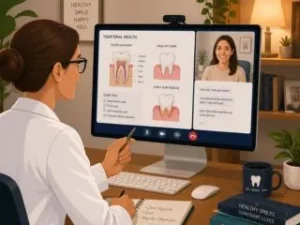
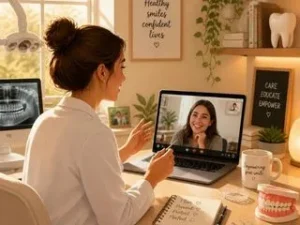
- Tele-Dentistry Consultant: Provides online consultations and patient guidance. This role is growing as digital healthcare becomes more accepted.
- Patient Coordinator: Communicates with patients, manages appointments, and ensures smooth workflow between teams.
- Dental Content or Training Specialist: Creates educational content or training materials for clinics and staff.
What Is the Reality of Working in Dental Remote Jobs?
Working remotely in dentistry sounds convenient, but the reality involves both benefits and responsibilities.
- Structured Work Routine Is Still Required: Even though you are working from home, tasks must be completed on time. Discipline is important to maintain productivity.
- Limited Patient Interaction: Unlike clinic roles, direct interaction with patients is reduced. Most communication happens online or through calls.
- Dependence on Technology: Work completely depends on internet connections and software tools. Technical issues can affect daily tasks.
- Need for Clear Communication: Since teams are not physically together, communication needs to be clear and consistent.
What Skills Are Required for a Remote Dental Job?
To succeed in remote dental roles, certain skills are essential.
- Strong Communication Skills: You need to explain things clearly to patients and team members without face-to-face interaction.
- Basic Technical Knowledge: Understanding software tools, video platforms, and digital records is important.
- Time Management: Managing multiple tasks without supervision requires good time management.
- Attention to Detail: Accuracy is important, especially in billing, records, and patient communication.
- Problem-Solving Ability: Handling issues independently is a key skill in remote work.
What Are the Benefits of Dental Remote Jobs?
Remote roles offer several advantages for dental professionals.
- Flexible Work Schedule: You can manage your work hours better, which improves work-life balance.
- Work from Anywhere: You are not limited to a specific location, making it easier to work comfortably.
- Reduced Travel Time: No need to commute daily, which saves time and energy.
- Additional Income Opportunities: Many professionals take up remote roles as a side job along with clinical practice.
- Less Physical Strain: Unlike clinical roles, remote work reduces physical stress.
What Are the Challenges of Working Remotely in Dentistry?
While remote work has benefits, it also comes with challenges.
- Limited Hands-On Work: You cannot perform clinical procedures remotely, which limits certain roles.
- Dependence on Technology: Internet issues or system errors can interrupt work.
- Communication Gaps: Lack of in-person interaction can sometimes lead to misunderstandings.
- Difficulty in Building Patient Trust: Some patients prefer face-to-face consultations.
- Work Distractions at Home: Maintaining focus can be challenging in a home environment.
- Limited Career Growth in Some Roles: Certain remote roles may not offer long-term growth.
- Isolation from Team Environment: Working alone may reduce team connection and collaboration.
What Should You Check Before Applying for a Dental Remote Job?
Before applying for dental remote jobs, it is important to check a few key factors.
- Clear Job Role Description: Make sure you understand your responsibilities clearly.
- Company Credibility: Check the background and reputation of the company or clinic.
- Work Expectations: Understand working hours, targets, and communication requirements.
- Salary and Payment Terms: Ensure the payment structure is clear and reliable.
- Technology Requirements: Check if you need specific tools or software to perform the job.
Why Are Dental Remote Jobs Growing in Demand?
The demand for dental remote jobs is increasing because of changes in technology and work preferences. More dental practices are adopting digital tools to manage operations efficiently. Patients are also becoming comfortable with online consultations and communication.
At the same time, professionals are looking for flexible work options that allow them to balance personal and professional life. This combination of demand from both employers and employees is driving the growth of remote roles in dentistry.
You may also check: Types of Dental Jobs – Which Is Right for You?
Final Thought
Dental remote jobs are creating new opportunities for professionals who want flexibility and a different work environment. However, they also require the right skills, discipline, and understanding of responsibilities.
Before moving into remote dental roles, it is important to understand the reality, benefits, and challenges. By checking all key factors and preparing properly, dental professionals can make the most of this growing trend.
FAQs
1. What are dental remote jobs?
They are roles in dentistry that can be performed without being physically present in a clinic.
2. What types of roles are available in remote dentistry?
Roles include virtual assistants, billing specialists, tele-dentistry consultants, and patient coordinators.
3. Are work-from-home dental jobs reliable?
Yes, but it is important to check company credibility and job details before applying.
4. What skills are needed for remote dental roles?
Communication, technical knowledge, time management, and attention to detail.
5. Can dentists work remotely?
Some parts like consultation and guidance can be done remotely, but clinical procedures require physical presence.
6. Why are dental remote jobs increasing?
Due to digital tools, flexible work demand, and changing patient preferences.
Related article: Tele-dentistry Jobs: The Future of Remote Dental