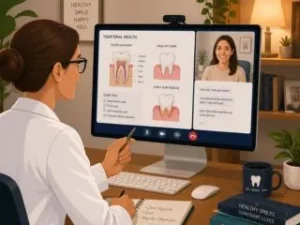
Upskilling and hiring in dental practices is a common decision that many clinic owners and managers face today. As dental practices grow, the need for skilled staff increases. The question is whether to train existing employees or bring in new talent.
Both options have their own benefits and challenges. Upskilling helps in developing current staff, while hiring brings in fresh skills and experience. Choosing the right approach depends on the needs of the clinic, available resources, and long-term goals.
In this blog, we will understand both approaches in detail and help you decide which one works better for improving dental staff training vs hiring decisions.
What Is Upskilling in Dental Practices?
Upskilling refers to improving the skills and knowledge of existing employees through training and development programmes. In dental practices, this may include clinical training, patient communication, use of digital tools, or administrative skills.
Upskilling is not just about learning new techniques—it is about helping employees perform better in their current roles and preparing them for future responsibilities.
When clinics focus on upskilling, they create a culture of growth. Employees feel valued and motivated, which directly contributes to better performance and stability.
What Is Hiring in Dental Practices?
Hiring means recruiting new employees to fill positions or bring in specific skills that are not available within the current team.
Dental practices often hire when they need specialised expertise, additional staff for increased workload, or fresh ideas to improve operations.
Hiring can provide immediate solutions to skill gaps, but it also requires time for onboarding and adjustment. New employees need to understand the clinic’s processes, culture, and expectations.
What is the Key Difference Between Upskilling vs Hiring?
Below is a comparison that clearly explains how these two approaches differ:
| Factor | Upskilling | Hiring |
|---|---|---|
| Focus | Develop current team skills. | Bring new talent into the team. |
| Cost | Lower, focused on training. | Higher includes recruitment and onboarding. |
| Time Required | Gradual improvement. | Faster if experienced candidates are available. |
| Employee Retention | Increases loyalty and stability. | Depends on job satisfaction. |
| Skill Availability | Limited to employee potential. | Access to new and specialised skills. |
| Adaptation Time | Minimal: staff already know systems. | Requires time to adjust. |
| Long-Term Impact | Builds internal strength. | Adds diversity and external expertise. |
This comparison helps in understanding how both strategies contribute differently to improve dental team performance.
How Does Upskilling Help Dental Practices?
Upskilling is a long-term investment that strengthens the foundation of the dental team.
1. Improves Employee Retention
Employees are more likely to stay in a workplace where they see opportunities for growth. When dental practices invest in training, it creates a sense of value and trust. This reduces employee turnover and helps maintain stability within the team. A stable team also improves workflow and patient experience.
2. Builds a Strong Team Culture
Upskilling encourages collaboration and learning. Employees feel supported when they are given opportunities to improve. This creates a positive work environment where team members are motivated to perform better and help each other grow.
3. Reduces Recruitment Costs
Hiring new staff involves costs such as job postings, interviews, and training. Upskilling reduces these expenses by making better use of existing resources. It is often more cost-effective to train an employee than to hire a new one.
4. Enhances Overall Performance
When employees learn new skills, they become more efficient in their roles. This leads to better patient care and smoother operations.
Upskilling directly contributes to improving dental team performance by increasing productivity and confidence.
You may also check: 2026 Dental Hiring Market Report: USA & Canada
How Does Hiring Benefit Dental Practices?
Hiring plays an important role when immediate improvements or expansion are needed.
1. Brings New Skills and Expertise
New employees often come with specialised knowledge and experience. This helps in improving services and introducing new practices within the clinic.
2. Provides Quick Solutions to Skill Gaps
When a clinic needs specific skills urgently, hiring is the fastest way to address the issue. This is especially useful during expansion or when new services are introduced.
3. Supports Business Growth
As patient numbers increase, additional staff are required to manage the workload. Hiring helps in maintaining efficiency and service quality.
4. Introduces Fresh Perspectives
New employees bring different ideas and approaches. This can help improve existing systems and make the clinic more innovative.
When Should Dental Practices Choose Upskilling?
Upskilling is the best option when the clinic wants to build long-term strength.
1. When the Team Is Stable but Needs Improvement
If employees are already familiar with their roles but need better skills, upskilling is the right choice.
2. When Budget Is Limited
Training existing staff is more affordable compared to hiring new employees.
3. When Long-Term Growth Is the Goal
Upskilling helps in building a strong internal team that can handle future challenges.
4. When Employees Show Willingness to Learn
If staff are motivated and open to learning, training can deliver excellent results.
When Should Dental Practices Choose Hiring?
Hiring becomes necessary in situations where internal resources are not enough.
1. When Specialised Skills Are Required
Certain roles may require expertise that current staff do not have.
2. When the Clinic Is Expanding
Growth often requires additional team members to handle increased workload.
3. When Workload Is Too High
Overburdening existing staff can lead to burnout. Hiring helps in balancing work.
4. When Immediate Results Are Needed
Hiring experienced professionals can deliver faster results compared to training.
What Is the Best Approach for Dental Practices?
The most effective approach is a combination of both upskilling and hiring.
Dental practices should:
- Upskill employees for long-term growth
- Hire new talent for immediate needs
This balanced strategy ensures that clinics remain flexible and prepared for both current and future challenges.
Final Outcome
Choosing between upskilling and hiring is not about selecting one over the other. It is about understanding what your dental practice needs at a particular time.
Upskilling helps in building a strong and loyal team, while hiring brings in new skills and supports growth. Both strategies have their own importance.
By balancing dental staff training and hiring, dental practices can create a stable, efficient, and high-performing team. In the long run, this approach leads to better patient care and sustainable success.
Related article: How Gen Z Is Changing Dental Hiring Trends
FAQs
1. What is the difference between upskilling and hiring?
Upskilling focuses on training existing staff, while hiring involves bringing in new employees.
2. Which is more cost-effective for dental practices?
Upskilling is generally more cost-effective, as it reduces recruitment expenses.
3. When should a dental clinic focus on hiring?
When there is a need for specialised skills or increased workload.
4. How does upskilling improve team performance?
It helps employees work more efficiently and builds confidence in their roles.
5. Can both strategies be used together?
Yes, combining both approaches is often the best solution.